
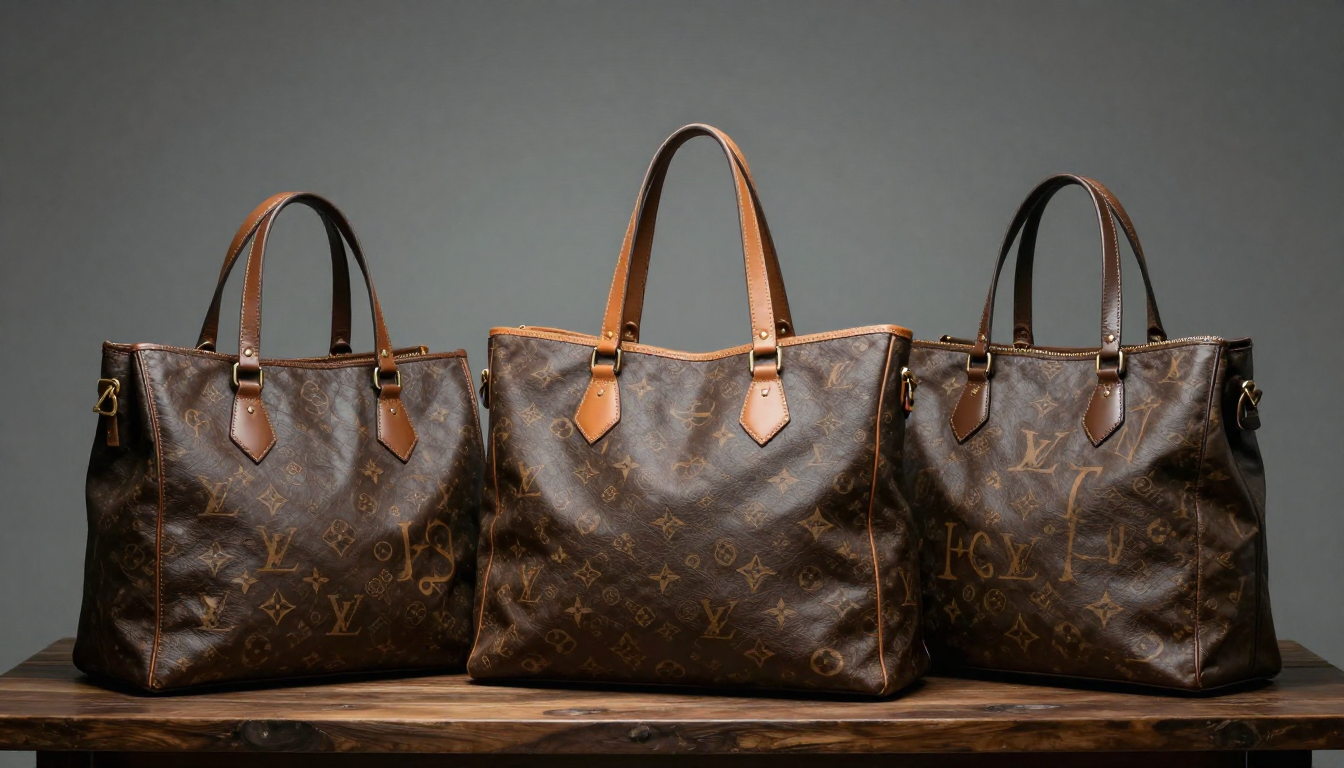
The Evolution of Bags: From Ancient Utility to Modern Fashion Statements
Bags have played an essential role throughout human history, adapting to the needs and styles of different eras. From the humble beginnings of the bag as a practical tool to carry goods, they have evolved into symbols of fashion, status, and identity. Let’s take a journey through time to explore the fascinating evolution of bags.
Ancient Beginnings
The story of bags dates back thousands of years. In ancient civilizations, people used simple pouches made from animal skins, woven plants, or cloth. These primitive bags served a crucial purpose: they helped transport food, tools, and other necessities. For example, in ancient Egypt, bags were used to carry grain and other agricultural products.
The Middle Ages: Practicality Meets Design
During the Middle Ages, bags became more sophisticated. With the rise of trade, merchants needed durable bags to transport their goods. This led to the creation of leather satchels and sacks. These bags often featured decorative elements, signifying the owner’s wealth or status. In Europe, travelers and pilgrims used bags to carry their belongings, often adorned with religious symbols. Here are some factors that shaped bags during this period:
- Material Innovations: Leather and textiles became common, allowing for varied designs.
- Trade Influence: As trade routes expanded, different cultures influenced bag designs.
- Fashion Elements: Decorative features began to appear, blending form with function.
The Renaissance and Beyond
The Renaissance sparked a renewed interest in art and fashion, significantly influencing bag designs. Bags transformed into more than just functional objects; they became fashion statements. Elegant handbags started to emerge, featuring intricate embroidery and luxurious materials. During this time, women’s handbags often reflected their social status, and men carried bags called “purses” filled with coins or personal items.
The 19th Century: The Industrial Revolution
The Industrial Revolution brought about mass production, which affected bag-making significantly. Increased availability of materials like canvas led to the birth of practical styles, such as tote bags. These bags were sturdy and functional, making them perfect for various uses, including shopping and leisure activities. Additionally, the rise of department stores increased the need for stylish bags, pushing designers to innovate further.
The 20th Century: A Fashion Paradigm Shift
With the dawn of the 20th century, bags became vital components of fashion. Iconic designers began crafting signature pieces, which turned bags into must-have accessories rather than mere containers. The introduction of the shoulder bag and the backpack revolutionized how people carried their belongings. During this era, several trends emerged:
- Rise of Iconic Brands: Luxury brands like Louis Vuitton and Gucci began to dominate the market, creating timeless styles.
- Cultural Impact: Movies and celebrities influenced bag styles, turning them into cultural icons.
- Functional Design: The introduction of practical designs for daily use became a focus for many brands.
The 21st Century: Bags as Statements
Today, bags serve as both functional items and fashion statements. The rise of social media has transformed how bags are marketed and perceived. Influencers and fashion icons showcase unique styles, while eco-friendly options flourish as sustainability takes center stage. With countless designs available, bags now cater to various needs, tastes, and preferences. Some current trends include:
- Sustainable Materials: Brands are increasingly using recycled materials, appealing to environmentally conscious consumers.
- Digital Accessories: Tech bags designed for carrying gadgets have become popular.
- Personalization: Customizable bags allow individuals to express their unique style.
The journey of bags is a reflection of our changing society. From practical origins to modern fashion statements, bags have adapted and evolved. Each bag tells a story, carrying not just items, but also the legacy of our history and culture. Whether for utility or style, bags continue to play a key role in our daily lives, showcasing that what we carry can represent so much more than mere possessions.
The Cultural Significance of Bags Across Different Societies
Bags have woven themselves into the very fabric of our daily lives, transcending their primary purpose of carrying items. For centuries, they have held cultural significance across various societies, symbolizing status, utility, and even art. Each type of bag reflects the values and traditions of the culture from which it originates. Let’s explore how bags influence and reflect societal norms around the world.
The Evolution of Bags in Different Cultures
From simple pouches made of animal hides to glamorous designer pieces, bags have evolved remarkably. In ancient civilizations, such as the Egyptians and Mesopotamians, bags were primarily functional. They were used for carrying essential tools and personal belongings. Fast forward to today, and bags have become fashion statements, standing at the intersection of utility and design.
Symbolism in Bags
In many cultures, bags are not just practical items but also convey significant meanings. Here are a few examples:
- Artisanal Craftsmanship: In regions like South America, traditional bags like the Andes mochila are a testament to artisanship. These bags often feature intricate patterns reflecting cultural heritage and local symbolism.
- Ritual Significance: Certain bags hold ritualistic importance. For instance, in African cultures, the “kanga,” a colorful cloth bag, can symbolize identity and cultural pride.
- Luxury and Status: In modern Western societies, designer handbags often symbolize wealth and status. Brands like Chanel and Louis Vuitton create bags that are aspirational possessions, helping individuals express their social standing.
Bags and Gender Roles
Bags also play a crucial role in defining gender roles within society. Historically, men have carried utilitarian bags like satchels or messenger bags, whereas women have often been associated with handbags and purses. This trend reflects deeper societal attitudes towards gender and practicality. However, there is a shift happening. Men are increasingly embracing various styles of bags, breaking traditional stereotypes and norms.
Functional vs. Fashionable
Throughout history, the utility of bags has always come first, but fashion has increasingly elevated their status. In communities across the globe, bags are crafted not only for functionality but also for aesthetics. The rise of sustainable fashion has led to the creation of eco-friendly bags, merging practicality with environmental consciousness. Handwoven jute bags in India and recycled textile bags in Europe are perfect examples of this modern trend that marries utility with style.
Modern Cultural Expressions
In contemporary society, bags are more than mere accessories; they encapsulate personal expression. Various subcultures utilize bags as a form of self-representation. For instance:
- Punk and Alternative Cultures: Bags in these subcultures often feature bold designs, studs, and edgy graphics. They serve as both fashion statements and expressions of individuality.
- Eco-Conscious Movements: Many individuals now opt for reusable bags, advocating for a reduction in plastic use. These bags often bear slogans or designs that resonate with environmental activism.
- Street Style: Influenced by urban fashion, bags that feature graffiti art, patches, or unique designs have become sought-after items among young people. They serve as canvases for creative expression.
Global Influence and Trends
The global market has opened up the world of bags to diverse influences. Today, you can find a fusion of styles, materials, and designs that celebrate various cultures. Customizable bags allow individuals to reflect their personalities through their choice of colors, patterns, and shapes.
Moreover, social media plays a vital role in the promotion of trendy bags, turning ordinary items into viral sensations. Platforms like Instagram have transformed how consumers view and purchase bags, quickly spreading cultural trends worldwide.
As bags continue to evolve, they will undoubtedly adapt to the changing needs and values of societies. Whether they symbolize utility, artistry, or identity, bags reflect who we are and what we value as a culture. Their journey through history showcases how a simple object can hold profound meaning across different societal contexts.
Key Takeaway:
Bags have undergone a remarkable transformation over the ages, evolving from simple tools for carrying goods to significant cultural symbols and fashion statements. Understanding this evolution provides key insights into how bags reflect both practical needs and social values.
Historically, the earliest bags date back to ancient civilizations, where people required containers for their daily functions. These primitive bags, made from natural materials like leather, wool, or plant fibers, served essential roles in agriculture, trade, and daily life. As societies advanced, the function of bags also evolved. For instance, in Ancient Egypt, bags adorned with hieroglyphics symbolized wealth and status, while in ancient Rome, bags were practical items reflecting the needs of merchants. This gradual shift marks the journey of bags from mere utility to more sophisticated designs.
As we further explore the history of bags, we uncover their deep cultural significance across different societies. In various cultures, bags often represent identity, status, and even spirituality. For example, Native American tribes have historically used bags in ceremonies, each design telling a story or embodying a spiritual connection to nature. In contrast, modern-day fashion statements often reflect individuality and personal style, showcasing how bags have integrated into contemporary culture. The diversity in bag designs across cultures illustrates how each society uses them to express values and convey messages about the wearer.
Today, bags continue to evolve, adapting to trends and technologies. The rise of sustainable materials and innovative designs demonstrates that bags are not just functional but are also critical reflections of consumer consciousness. As you can see, the history of bags goes beyond their physical form; it encapsulates the essence of human creativity and social evolution. The evolution of bags throughout history serves as a mirror reflecting our changing needs, values, and identities, urging us to recognize their importance beyond mere accessories. Understanding this history enhances our appreciation for bags and their role in both our lives and the larger narrative of human progress.
Conclusion
As we reflect on the journey of bags, it’s clear they have evolved far beyond their original purpose as simple utility items. From the ancient leather pouches of nomadic tribes, designed to carry food or tools, to today’s stylish handbags that can define personal fashion, bags have intertwined with human development. Their evolution showcases not just practical advancements in materials and design but highlights shifts in cultural values and societal changes.
Throughout history, bags have held significant meaning in various cultures, acting as symbols of status, tradition, and community identity. In many societies, the type of bag one carries can convey messages about their social standing or cultural heritage. For instance, traditional woven bags often tell stories through their patterns and craftsmanship, representing the history and artistry of their makers. In contrast, modern luxury bags may signify wealth and contemporary style, reflecting a new set of values.
Today, bags serve as an extension of our personalities. Whether they are used for travel, work, or leisure, they allow individuals to express themselves creatively while fulfilling practical needs. As we look to the future, the demand for innovative designs that blend sustainability with style will likely shape the next chapter in the history of bags. By understanding this rich background, we can appreciate each bag we choose not just as an accessory, but as a piece of our collective history—an artifact that represents both cultural significance and personal expression.